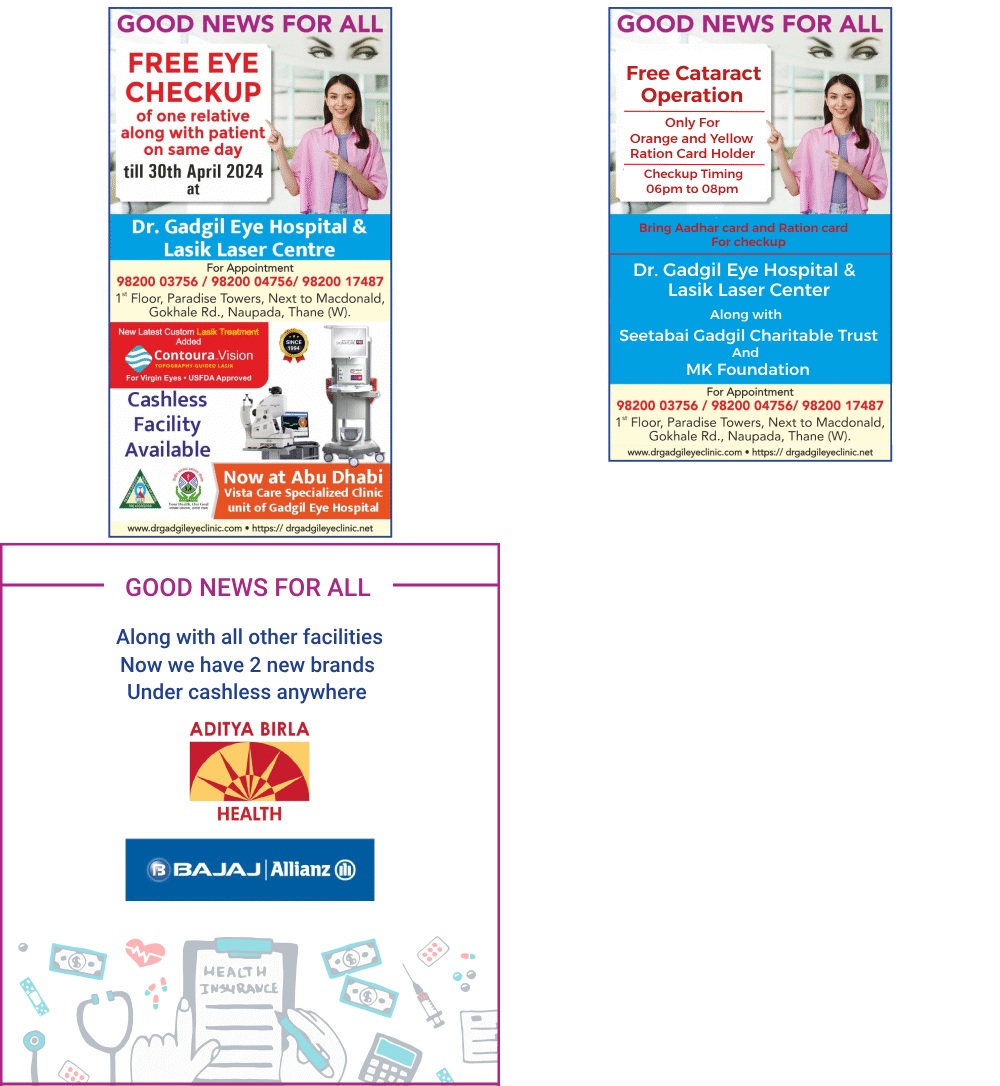

Dr. Gadgil eye Hospital has been foremost in eye care in Thane for the past 25 years. We use cutting edge technology to provide premium services like Cataract & Lasik laser treatment.
Dr. Uday Gadgil, Medical Director has 25 years of experience in ophthalmology. He has operated more than 50,000 cataracts with lens implantation and performed more than 25,000 Lasik procedures successfully.
Dr. Gadgil eye Hospital has the latest technology in Cataract Surgery, including Signature Pro from Abbot (USA) with symfony lens making our patient’s spectacle-free.

Cataract Surgery
25000+

Lasik Treatment
10000+

Awards Won
21

Year Of Experience
25
Eye Protection Is Easy, Eyes Are Priceless
Cataract Surgery
01
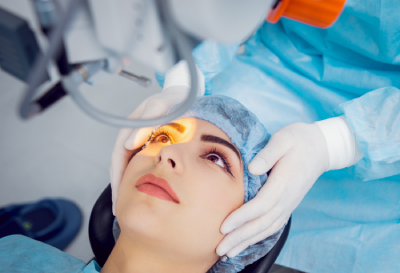
Cataract, a prevalent eye condition, typically manifests as clouding of the eye's natural lens, leading to blurred vision and potentially resulting in vision loss if left untreated.
Lasik Surgery
02

"Laser-Assisted In Situ Keratomileusis," or "LASIK," is a well-known and successful surgical technique used to treat common vision issues such astigmatism, hyperopia...
Diabetic Retinopathy
03

Retina is the covering of tissue at the rear of the eye that detects light and communicates with the brain enabling the person to see. It has rod and cone photoreceptor cells...
Glaucoma
04
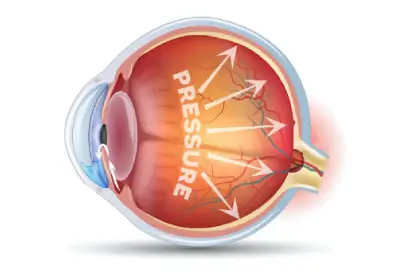
Glaucoma affects the optic nerve that carries visual information from the eye to the brain. Elevated intraocular pressure (IOP), or the pressure within the eye...
Oculoplasty
05
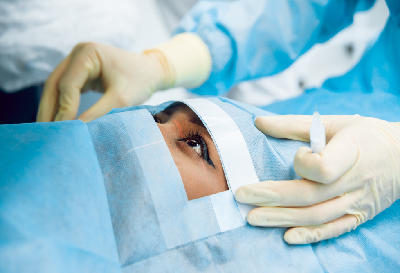
The term "Oculoplasty" describes a subspecialty of Ophthalmology that deals with reconstructive and plastic surgery of the eye's surrounding tissues.
Cornea
06
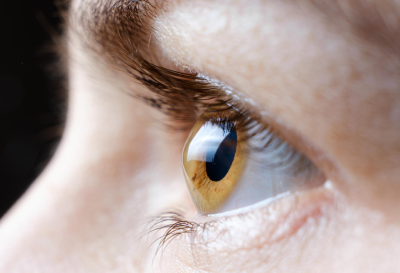
Cornea is the front, transparent portion of the eye that covers the anterior chamber, pupil, and iris. It contributes significantly to the optical power of the eye and...
Contact Lens Clinic
07
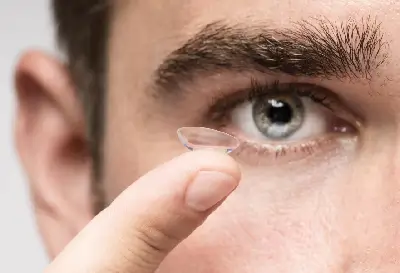
Thin, curved contact lenses are applied directly to the surface of the eye to treat visual issues or for aesthetic reasons. They are frequently used in place...
Pediatric Ophthalmology
08
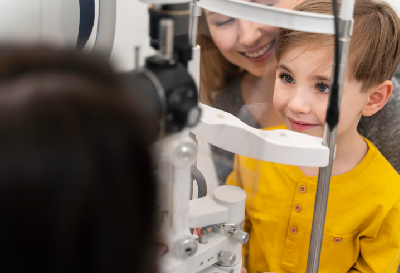
A subspecialty of ophthalmology called pediatric ophthalmology is dedicated to treating children's visual problems and eye health. In pediatric ophthalmology...
Patient-Centric Approach
Elevate eye care at its finest. We prioritize your comfort, satisfaction, and offer seamless mediclaim assistance. Your journey, made comfortable and stress-free.
Complete Eye Care
Experience a spectrum of eye care at Dr. Gadgil Eye Hospital & LASIK Center—cataracts, retina, diabetic eye care, squint correction, anterior segment, oculoplasty, computerized eye testing, laser, Transnasal DCR, and LASIK, all under one roof. Your comprehensive eye health destination.
Proven Track Record
Transform your vision with Gadgil Eye Hospital: 25,000+ LASIK, 50,000+ cataract surgeries, leading in diabetic retinopathy care. Unparalleled expertise for unmatched satisfaction.

Affordable Pricing
Experience clear vision affordably! Opt for cataract, LASIK, and diabetic retinopathy solutions. Embrace a spectacle-free world with flexible finance options
Affordable Cataract surgeries with
most advanced Intraocular lenses
At Dr. Gadgil Eye Hospital, cataract surgery is most affordable with most advanced IOLs like Synergy and symphony extended range IOLs with removes your need of spectacle
Lasik Laser Treatment
Experience the pinnacle of vision correction with Wavelight Allegretto, the most favored excimer laser, ensuring safety, efficacy, and predictable outcomes in LASIK procedures.
With a wealth of experience and cutting-edge technology at our disposal,
we're here to diagnose, treat, and manage a wide range of eye conditions,
from routine exams to advanced surgical procedures.
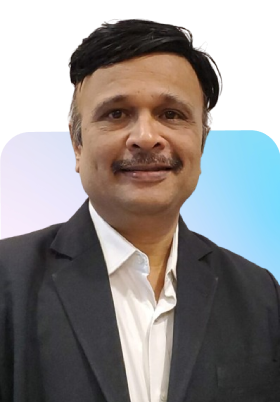
Dr. Uday Gadgil
Medical Director
M.B.B.S. D.N.B D.O.M.S., F.R.V.S.(USA) Consulting Ophthalmic Surgeon
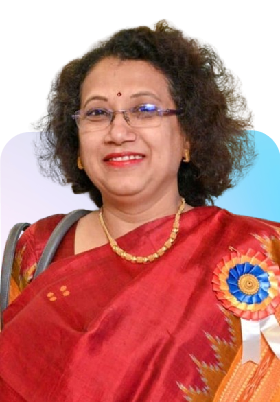
Dr. Minal Gadgil
Managing Director
M.B.B.S., D.A., M.D., M.B.A. Consulting Anaesthesiologist
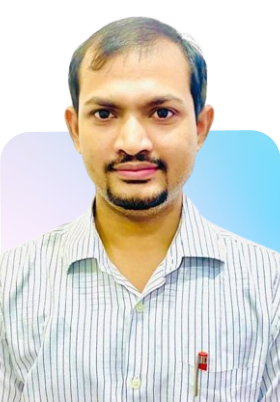
Dr. Nitin Pawar
Assistant Ophthalmologist
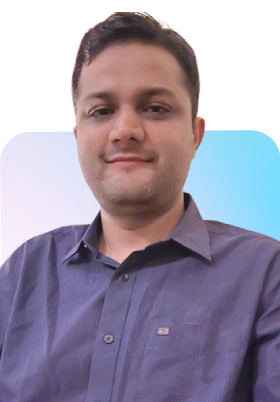
Dr. Abhijeet Patil
Associate ophthalmologist